
When a Husband Hurts His Wife: 3 Real Stories Every Man Should Read
I am a counselor. For five years, I have been listening to people’s lives. Joy comes sometimes, but pain comes more often. And among all the pain I have witnessed, the heaviest is what a woman carries inside her own home. Silently. In secret. Not because she is weak, but because she has been slowly made to believe that this is her fate, this is what marriage is, and enduring it is simply the price of being a good wife. This article is about emotional abuse by husband in marriage and how it quietly destroys a wife, her children, and the home itself. I wrote it for the men who can still change, for husbands who may not yet realize that cruelty in marriage does not always begin with a raised hand.
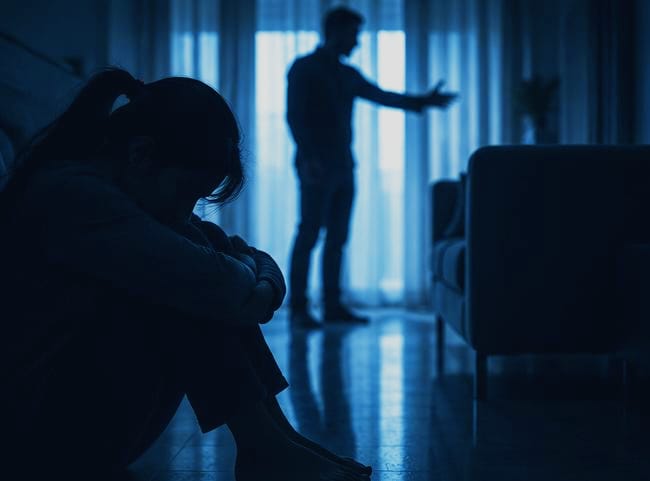
Emotional Abuse by Husband: What It Really Looks Like
When people hear the words “a husband hurts his wife,” they picture physical violence. But the harm done by an emotionally abusive husband is far wider, far quieter, and in many ways far more lasting than what the eye can see.
It is harm when a woman wakes up in the morning and feels unwanted inside her own home. It is harm when she speaks and is heard as though nothing she says matters. It is harm when she asks for what is rightfully hers and is shamed in return. It is harm when her dignity is wounded, her emotions are dismissed as weakness, or her silence is mistaken for agreement.
Withholding her rights is harm. Creating fear is harm. Stripping away her dignity is harm. A wife is a trust. And betraying that trust is not only a failure before people. It is an account that will be answered.
Signs of Emotional Abuse by Husband in Marriage
Emotional cruelty in marriage does not announce itself. It arrives quietly and takes many forms.
Sometimes it is verbal abuse in marriage, a constant stream of sarcasm, criticism, or contempt. Sometimes money is withheld to create dependence and control. Sometimes she is forbidden from visiting her own family. Sometimes children are used as tools against the mother. Sometimes she is humiliated in front of in-laws or guests. Sometimes a husband goes weeks without speaking, using silence as a deliberate punishment. And sometimes every conversation ends with the same message wrapped in different words: you are nothing, you have no worth, you do not belong here.
Many men do not consider themselves harmful simply because they have never raised a hand. But the signs of an emotionally abusive husband are not measured only by physical marks. Words that wound, sustained humiliation, financial control, and emotional withdrawal can hollow a woman out just as completely. The difference is that these wounds stay hidden, often even from the woman herself, until the damage has gone very deep.
Sameena, Who Stayed Silent
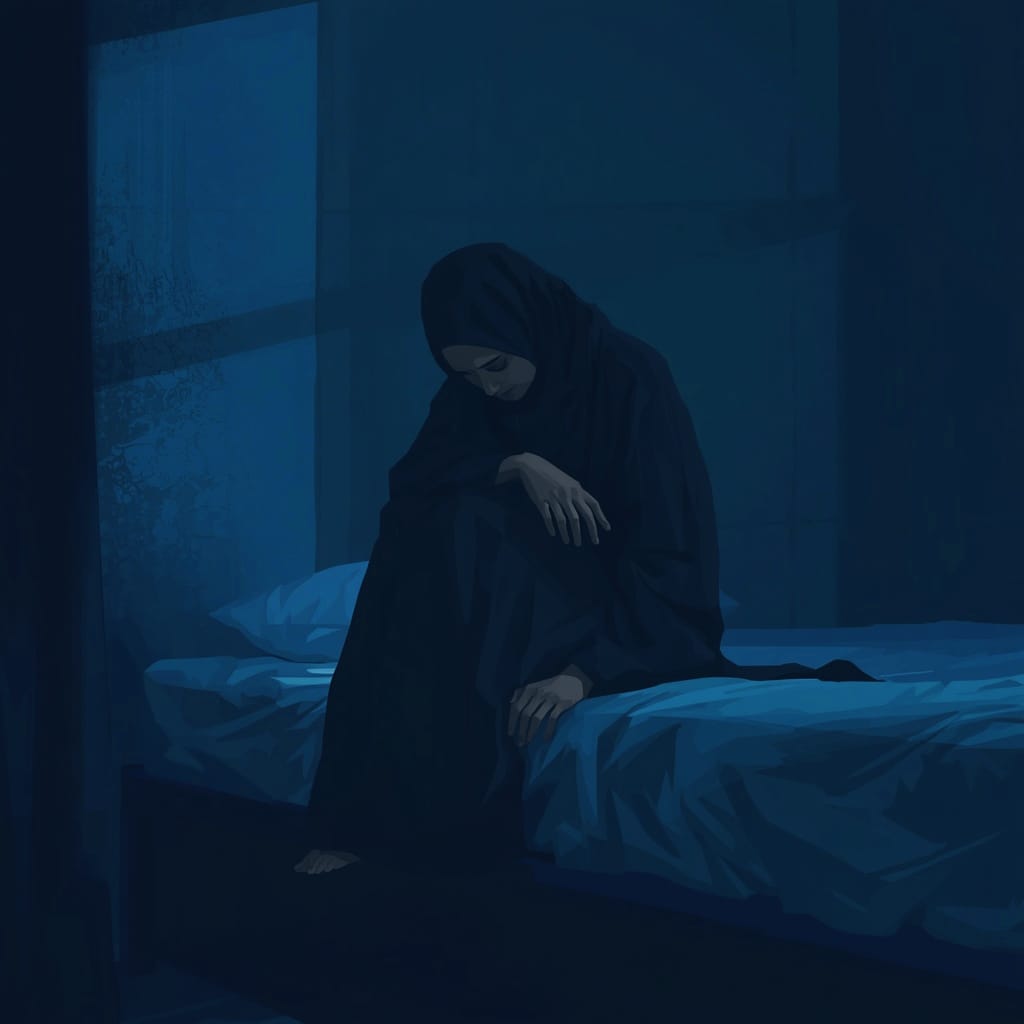
When Sameena came to me for the first time, her eyes were dry. She had run out of tears long before she walked through my door. She simply sat there, hollowed out, as if years of exhaustion had taken everything with them.
Twelve years of marriage. Three children. Her husband ran a business, was respected outside the home, pleasant with others, composed in public. But inside, he was an entirely different person. Sometimes verbal abuse, sometimes taunts, sometimes weeks of silence. Sometimes a look or a tone that made Sameena feel like a stranger in her own house. Slowly, without noticing exactly when it happened, she had accepted it. Perhaps this is what marriage is. Perhaps this is simply a woman’s fate.
Her hair had begun falling rapidly. Her stomach was constantly unsettled. Sleep had stopped coming at night. The doctor said these were all symptoms of mental stress. But Sameena had never told anyone where that stress was coming from, not because she did not want to, but because she had already convinced herself that no one would listen.
When I asked her just one question, “Sameena, are you okay?” she cried for the first time. After twelve years.
What this story shows: Sameena’s case is a clear example of how emotional abuse by husband often appears not as violence but as contempt, withdrawal, and silence. The damage is invisible to the outside world, but it surfaces in the body through insomnia, physical illness, and a slow disappearance of the self. By the time a woman like Sameena reaches a counselor, she has often already stopped believing that her pain is real.
Nadia, Who Was Broken Only by Words
Nadia’s story still sits heavily on my heart.
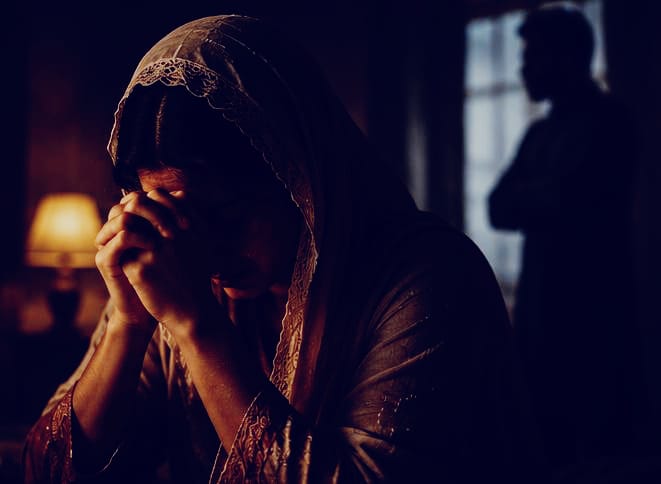
Her husband was educated, a government employee, someone who prayed regularly and carried himself with dignity in public. He never raised his hand. But what he did with words was verbal abuse in marriage at its most sustained and deliberate.
Every night, some version of the same sentences arrived.
“What have you ever done with your life?”
“What did your mother even teach you?”
“I made a mistake marrying you.”
Words like these leave nothing visible on the body, but they settle into the soul. Nadia told me that before sleeping each night, she would often think: I wish morning would not come. This was not just sadness or exhaustion. This was what emotional cruelty in marriage does when it is allowed to run long enough. A person begins to believe they are worthless. That no one would notice if they were gone.
Nadia’s husband still believes he did nothing wrong. He only talked.
What this story shows: Nadia’s case shows what verbal abuse in marriage does over time. A husband does not need to raise his hand to break his wife. Repeated humiliation and daily contempt can destroy a woman’s sense of self just as completely as physical violence, and sometimes the wounds are harder to heal precisely because they leave no visible proof.
Romana, Who Left
Romana is one of the most unforgettable people I have ever worked with. Not because her story was the most extreme, but because she took a step that very few women manage to take.
Her husband’s hands moved against her. First occasionally, then frequently, then it became routine. And alongside the physical violence came the threats, the financial control, and the emotional manipulation that kept her in place.
“You cannot go anywhere.”
“You have nothing.”
“No one will keep you.”
Romana endured this for seven years. The violence was visible, but what kept her trapped for so long was the fear, the isolation, and the emotional hold he had built over years of telling her she was nothing without him. The home had become a place entirely built on terror.
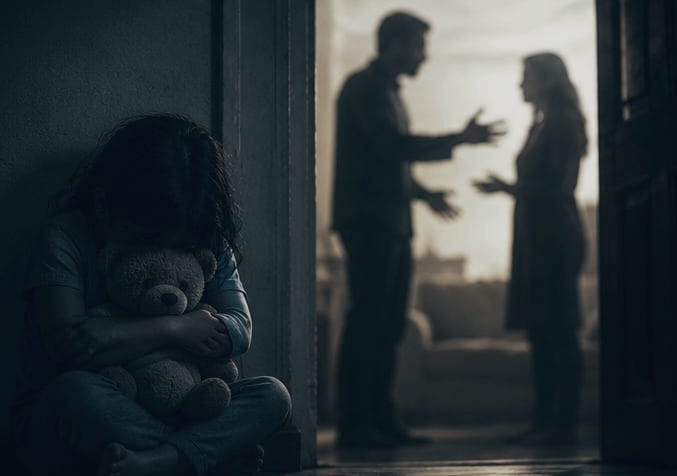
Then one day, she saw her young daughter curled into a corner of the room. The father was screaming at the mother, and the child was shaking. In that moment, Romana made her decision.
She told me: “I did not need to leave for myself. I probably could have taken more. But my daughter should not learn that this is what men are, and that a woman must simply accept all of it.”
That sentence still echoes in my mind.
What this story shows: Romana’s case shows that domestic abuse in marriage is never only physical. The threats, the financial control, the emotional cruelty, and the isolation were all part of the same pattern of harm. And that pattern reached beyond Romana herself. Children who grow up inside this kind of home do not simply witness it and move on. They carry it forward into their own understanding of love, marriage, and what they deserve.
Effects of Emotional Abuse by Husband on Wife and Children
Many husbands believe that if it stays inside the home, if no one saw it, if the woman said nothing, then nothing really happened. But the effects of an emotionally abusive husband never stay confined to one room.
Constant fear, humiliation, and emotional cruelty affect a woman’s body and mind together. Sleep breaks down. The stomach suffers. The heart finds no rest. Depression, anxiety, and chronic exhaustion become permanent parts of her life. The body speaks the truth that a woman cannot say out loud.
And the children absorb everything around them. The fear, the instability, the tension they cannot name. A father who causes harm inside his marriage often does not realize that he is not only damaging one woman. He is quietly shaping the emotional lives of his children in ways that will follow them for years.
What Islam Says About Emotional Abuse in Marriage
Islam gave a husband not the license to harm, but the weight of responsibility to protect.
Allah says in the Quran: “And live with them in kindness.” (Surah An-Nisa, 4:19). Living with kindness does not mean only providing food and shelter. It means dignity, gentleness, patience, financial honesty, and emotional safety as a daily practice.
The Prophet, peace be upon him, never struck any woman, any child, or any servant. And he said: “The best of you are those who are best to their families.”
This makes emotional cruelty in marriage not only a failure of character but a direct violation of what Islam asks of a husband. A man cannot claim to be religious while making his wife’s daily life a source of fear and pain. What happens behind closed doors is not hidden from Allah. The account for those actions does not disappear because no one else was in the room.
A Man’s Real Role: Not a Ruler, But a Protector
The Quran calls a husband qawwam. Not a ruler whose moods must be managed around, but a guardian, a protector, a man who carries genuine responsibility for the people in his care.
A protector is not someone who becomes the source of danger himself.
If there is conflict between his mother and his wife, his role is not to abandon his wife but to stand in the middle with fairness. If his wife makes a mistake, his role is not to humiliate her but to speak honestly and with care. And if he makes a mistake himself, asking for forgiveness does not reduce him. It is what raises him.
This is exactly where the line between a protector and an emotionally abusive husband becomes clear. One brings safety. The other brings fear dressed up as authority.
Five Things an Abusive Husband Must Stop Immediately
Never use abusive language.
Words are not just words. When contempt comes from the person who was supposed to be the closest and safest, something breaks inside a woman that does not easily come back together. The damage is real even when it leaves nothing visible.
Never raise your hand.
The hand meant to protect has no right to become the thing she is afraid of. Physical violence in marriage does not discipline anyone. It destroys trust at the most fundamental level and turns a home into a place of captivity.
Never withhold what she is owed.
Using money to control or humiliate a wife is not authority. Allah placed the financial responsibility of a wife on the husband as an obligation, not as a tool for power. Using it as one is a direct betrayal of that duty.
Never humiliate her in front of others.
What needs to be said can be said privately. A man who exposes his wife’s weaknesses before family or guests is not being honest. He is being cruel. Dignity that is publicly stripped takes a very long time to rebuild.
Never use divorce as a weapon.
A husband who threatens to end the marriage every time he is angry removes something from his wife that cannot easily be returned: her sense of safety inside her own life. Living in constant suspense about whether the next argument ends everything is its own form of daily cruelty.
Five Things Every Husband Must Build Into His Character
Speak with gentleness.
A hard truth can be spoken softly. The way something is said often matters more than what is said. A husband who speaks with care even in disagreement protects both his wife’s dignity and his own.
Ask for forgiveness when you are wrong.
This is not weakness. It is maturity. A man who cannot admit his mistakes is not strong. He is simply unwilling to grow. A marriage where one person never apologizes is a marriage where resentment is quietly becoming permanent.
Give her respect as a person, not only as a wife.
She is a complete human being with thoughts, feelings, and dignity that exist independently of her relationship to you. Respect is not something she earns through obedience. It is something she is owed for being a person.
Fulfill your financial responsibility without turning it into a favor.
What Allah has placed on your shoulders is a duty, not a gift you are choosing to give. A husband who provides but constantly reminds his wife of it, or uses money as leverage, has turned a religious obligation into a form of humiliation.
Cover her weaknesses rather than advertising them.
A husband who shares his wife’s flaws with others is not being honest. He is betraying a trust. The man who protects his wife’s dignity even when no one is watching is the man building a marriage with something real under it.
A Final Word
A home is not a place where power is performed. It is meant to be a place of mercy.
When a woman goes quiet, it does not mean everything is fine. Sometimes silence is what exhaustion looks like after years of speaking and not being heard. When a wife stops arguing, it does not mean she is content. Sometimes she simply has nothing left.
Sameena is somewhere right now, perhaps sitting without words.
Someone like Nadia is perhaps lying awake tonight, wondering how to face the morning.
And someone like Romana may still be standing between deciding and enduring.
These wounds do not show on the outside.
But Allah sees them.
If your wife lives in fear of your words, your silence, or your hand, something in your understanding of marriage is broken and it needs to be repaired now. Change your tone. Stop the humiliation. Fulfill her rights. Ask forgiveness. Become the protector you were supposed to be.
Emotional abuse by husband does not only break one woman. It breaks an entire home. Your walls may stay silent. Your children may say nothing yet.
But the harm does not disappear.
It settles into the body, stays in memory, and shapes your children’s understanding of what love is supposed to look like.
And it is recorded before Allah.
So ask yourself one honest question.
Are you a source of peace for your wife, or are you what she needs peace from?
The answer is in your hands. And so is the choice to change.